“I’m bored.” It’s the official phrase of July!
For parents of gifted or twice-exceptional (2e) children and teens, hearing this often triggers an immediate instinct to fill every empty day with camps, classes or activities. We want to enrich their minds, keep them socialized and prevent summer slide, but packed schedules aren’t always the cure.
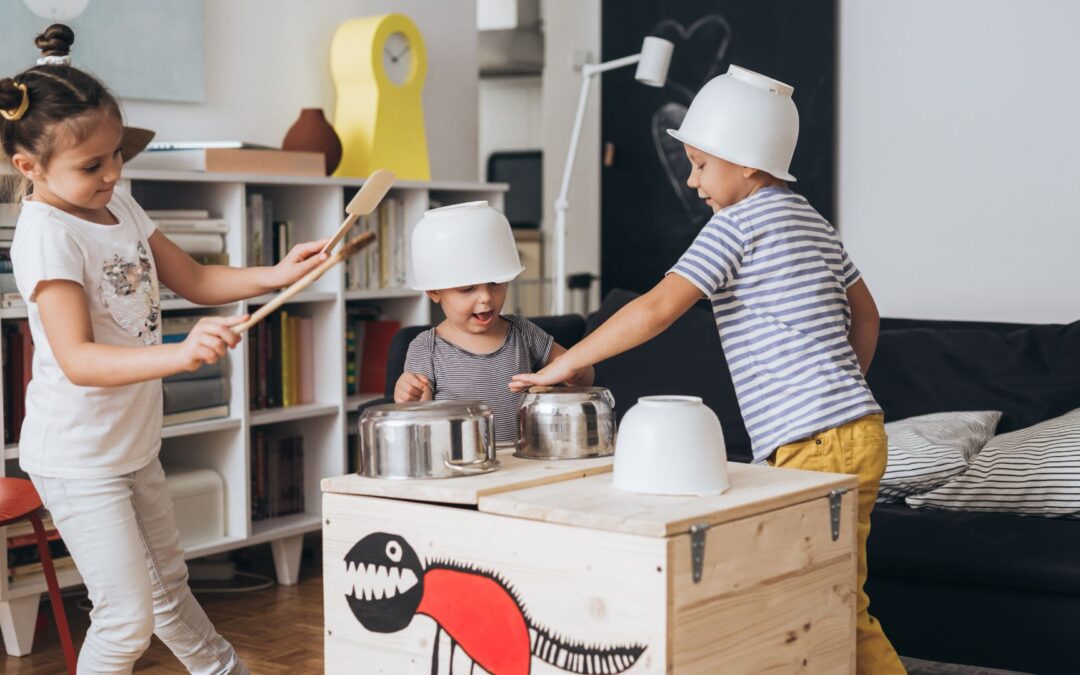
For kids whose minds operate a bit differently, empty time is actually where the magic happens. When left to their own devices, that dreaded boredom often becomes the exact spark they need to build a massive cardboard fort, invent an intricate comic book character or spend three days learning everything there is to know about prehistoric sharks!
If you’re ready to embrace the quiet hours this summer, here are three practical ways to help your child navigate that empty space and find their creative spark. While these ideas may look different depending on your child’s age, the same principle applies to both children and teens: meaningful growth often begins when they have the space to explore their own interests.
Strategy 1: Do absolutely nothing. Resist the urge to entertain them. Let them sit with boredom for a bit until their brain forces them to get creative.
Expect some initial restlessness. It usually takes about 20 to 30 minutes of discomfort before their brain kicks into gear and they find their own rhythm. Hold the line and don’t step in too early.
Strategy 2: Provide raw materials and not structured activities. Leave out cardboard boxes, old tech to take apart or open-ended art supplies and see what happens.
Designate a specific “mess zone” in the house or garage where they can leave projects halfway finished. Knowing they don’t have to clean up at the end of the day keeps their creative momentum going.
Strategy 3: Follow the rabbit hole. If they get suddenly interested in a random topic, give them the space to run with it.
You don’t need to buy a curriculum or sign them up for a class. Just take a trip to the library. Find a great documentary or help them look up quality resources online to feed their curiosity.
Why Unstructured Time Matters for Unique Minds
To understand why this works, let’s look at how a gifted or 2e child actually develops. Often, their intellectual abilities are advanced, but their emotional or executive functioning skills are right on track for their actual age. This uneven growth creates a lot of internal friction.
In a highly structured environment like a traditional classroom or a rigid summer camp, these kids spend an enormous amount of mental energy just trying to fit into a mold that wasn’t built for them. They’re managing sensory overload, trying to follow rules that might feel arbitrary to them and suppressing their natural intensity just to get through the day.
Unstructured summer days remove that pressure. When there’s no agenda, their brains finally get a chance to reset. Boredom forces them to look inward for stimulation rather than relying on external directions. This shifts them from a state of compliance or frustration into a state of authentic flow which allows them to master new skills on their own terms.
For example, a child who gets overwhelmed by the noisy transitions of a camp schedule might spend four uninterrupted hours at home teaching themselves how to animate stop-motion videos with a tablet and Lego bricks. Another child who struggles to sit still for a timed reading worksheet might willingly spend an entire afternoon mapping out a fictional solar system on the living room floor, writing out detailed descriptions of the gravity and atmosphere for each planet.
There’s a catch, though. If your child completely thrives when they are calling the shots at home and diving deep into these self-made projects, but hits a wall in a rigid classroom, you’re likely looking at a classic sign of twice-exceptionality.
If you’re watching these summer sparks fly and wondering how to keep that momentum going in the fall, a cognitive assessment can help.
Connect with us at Summit Center and we can discuss how an evaluation can provide a clear map of how your child or teen’s brain actually works. Let us help you turn those random bursts of summer creativity into a year-round success story!